How to lighten dark knees and elbows: Safe Protocols for Dark Knuckles, Knees, and Namaz Marks


how to lighten dark knees and elbows: Safe Protocols for Dark Knuckles, Knees, and Namaz Marks
Quick Summary:
Friction hyperpigmentation on elbows, knees, ankles, and prayer marks is caused by repeated mechanical pressure stimulating melanocytes in thicker epidermal layers. Fading it safely on South Asian skin requires a non-bleaching routine: tyrosinase inhibitors (licorice root extract), barrier-strengthening lipids (jojoba oil), and consistent pressure reduction using soft prayer mats or cushions.
Friction Pigmentation: Safe Actives vs. High-Risk Practices
Aspect
Safe Dermatological Routine
High-Risk Quick Fixes (Mercury/Steroid Bleaches)
Primary Actives
Licorice extract, niacinamide, cold-pressed jojoba
Hydroquinone + steroid cocktails (“formula creams”)
Action Mechanism
Regulates tyrosinase enzyme gently over 6–12 weeks
Destroys skin barrier, causes rebound hyperpigmentation
Long-Term Safety
Preserves dermal thickness, non-irritating
Causes skin thinning, telangiectasia (visible veins), and ochronosis
Skin Tone Compatibility
Optimized for Fitzpatrick IV–VI
High risk of paradoxical permanent darkening
The Science of Mechanical Melanin Production
Melanocytes in South Asian skin are hyper-reactive to chronic pressure and friction. When the bony prominences of the knees, elbows, or lateral malleolus (ankle bone) press against hard surfaces—such as hard flooring during daily tasks or prayer—the body responds in two defensive ways:
Hyperkeratosis: The stratum corneum thickens to create a protective callus against physical wear.
Post-Inflammatory Hyperpigmentation (PIH): Mechanical stress triggers inflammatory cytokines, signaling baseline melanocytes to deposit dense melanin clusters into the thickened skin cells.
Aggressive pumice stones and chemical peeling creams strip the stratum corneum too quickly, causing the skin to produce more melanin as a defense mechanism.
How to lighten dark knees and elbows: Safe, Sustainable 3-Step Protocol
Step 1: Cleanse with Tyrosinase-Inhibiting Botanicals
Swap commercial bar soaps containing harsh sulfates for cold-processed artisan bars.
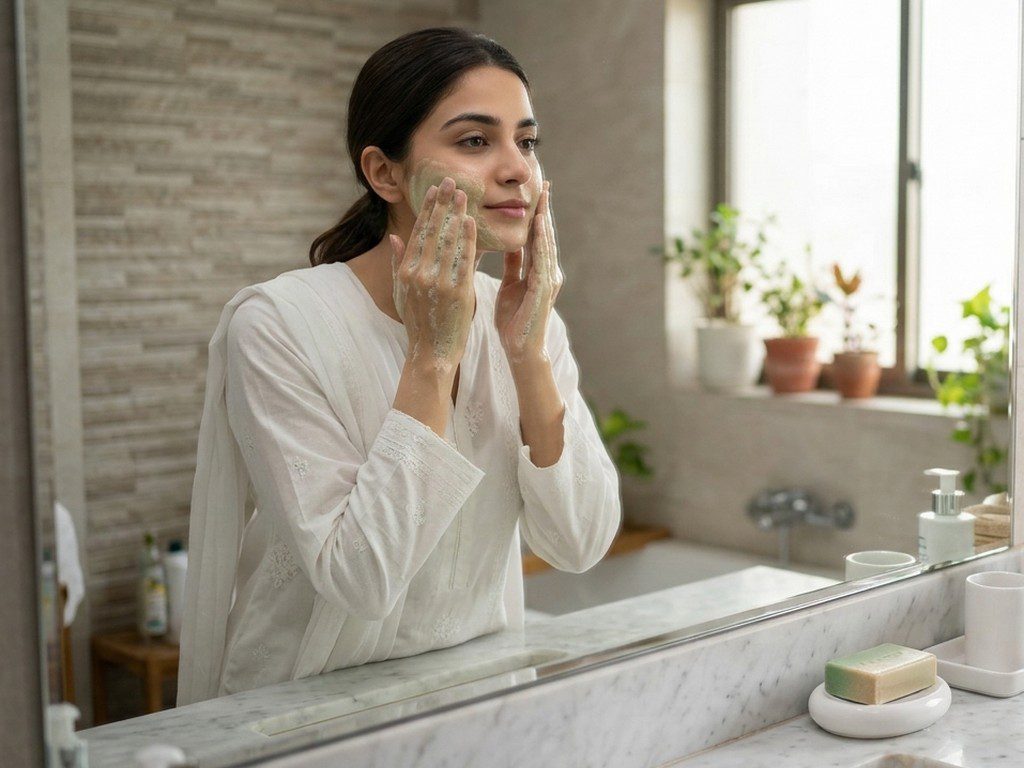
- Use Dango Licorice Artisan Soap daily. Glabridin, the active flavonoid in licorice root, inhibits tyrosinase activity without cytotoxic effects on melanocytes, steadily brightening darkened friction patches over consistent use.
Step 2: Apply Targeted Pigmentation Actives
- After cleansing, apply a water-based Dango Pigmentation Serum directly to knuckles, knees, and ankles while the skin is slightly damp. Look for formulations containing niacinamide, alpha arbutin, or licorice extract.
Step 3: Seal with a Friction-Reducing Lipid Barrier
Dry, brittle skin darkens faster under friction.
- Lock in hydration using Dango Cold-Pressed Jojoba Oil. Jojoba’s wax-ester profile mimics natural cutaneous lipids, preventing moisture loss and cushioning friction points throughout the day.
Frequently Asked Questions (FAQ)
How long does it take to fade friction marks on ankles and knees?
Because epidermal turnover in hyperkeratotic skin (calluses) is slower than facial skin, visible lightening takes between 6 to 12 weeks of daily, consistent application.
Why do “formula whitening creams” make dark marks worse after stopping?
Local bleaching mixtures typically contain clobetasol (a potent steroid) or mercury. While they thin the skin and look lighter temporarily, stopping them causes rebound hyperpigmentation and chronic skin barrier failure.
Will placing a soft cushion during prayer help?
Yes. Relieving the mechanical stress is essential. Using a padded velvet or memory foam prayer mat stops the physical trigger that causes melanocytes to overproduce pigment.